
Beat the Surge: Expert Tips for Navigating Peak Travel Season
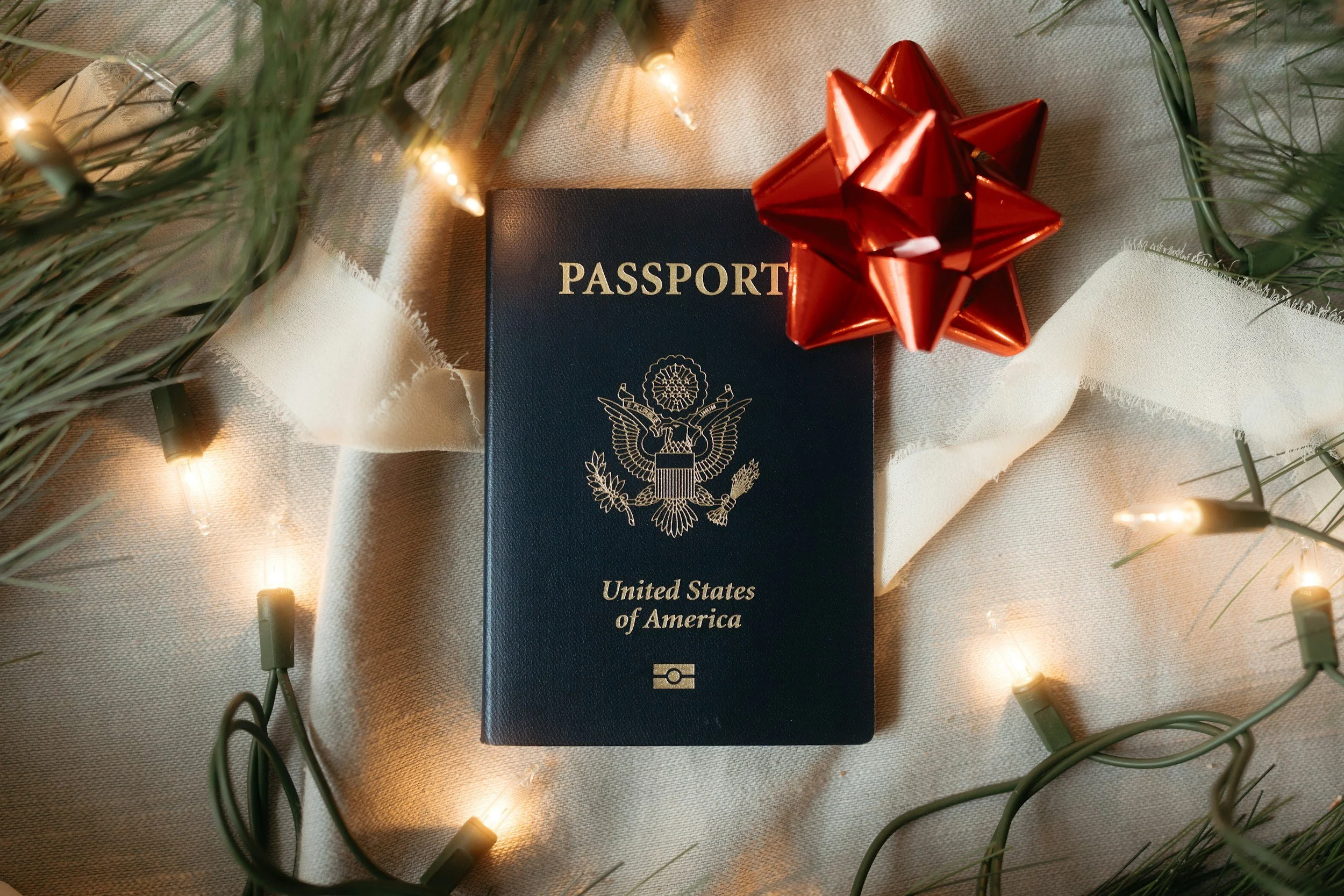
The "golden window" for affordable travel is closing fast. If you've been hovering over the "buy" button for your upcoming trip, now is the time to click.

We sat down with Chris Amenechi, airline pricing guru and founder of SeatCash, to get the data-driven scoop on how to avoid the massive price hikes looming on the horizon. With his premier product, FareX, Chris has turned airfare prediction into a science, helping travelers "go further" without breaking the bank.
The Price Hike Warning
The data is clear: waiting until the last minute is a losing game this season.
Outbound Peaks: For Tuesday, Wednesday, and Thursday morning departures, fares are expected to jump an average of 50%. In some high-demand markets, you could see a 100% increase.
Return Peaks: If you are returning on a Saturday, Sunday, or Monday morning, buy now. Fares for these slots are projected to soar by 90% or more by departure day.
Strategy: When to Fly to Save
If your dates are flexible, shifting your flights by just 24 hours can save you hundreds. Based on SeatCash’s latest market analysis, here are your best bets:
Outbound Travel
Best Days/Times to Fly: Monday the 24th & Thursday the 27th (between 11 am – 1 pm)
Dates to Avoid (Highest Stress): Wednesday the 26th (Evening)
Return Travel
Best Days/Times to Fly: Friday the 28th & Tuesday the 2nd
Dates to Avoid (Highest Stress): Sunday the 30th (Evening)
Pro Tip: For those traveling on the busiest days (the 26th and 30th), give yourself a 3 to 5-hour buffer. Airport congestion is expected to be at an all-time high.
3 Hacks for a Stress-Free Terminal Experience
Chris recommends three essential moves to maintain your sanity and your "optionality" when the industry hits peak capacity:
Skip the Lines: If you haven't already, sign up for TSA PreCheck or CLEAR. During peak windows, these aren't just luxuries; they are the difference between making and missing your flight.
Buy Flexibility: When prices are volatile, the "most flexible" ticket tier is often worth the premium. It grants you the optionality to pivot if your plans change or disruptions occur.
Plan for the "What If": Always have a Plan B for weather or mechanical disruptions. Know the alternative routes or nearby airports before you leave for the terminal.